
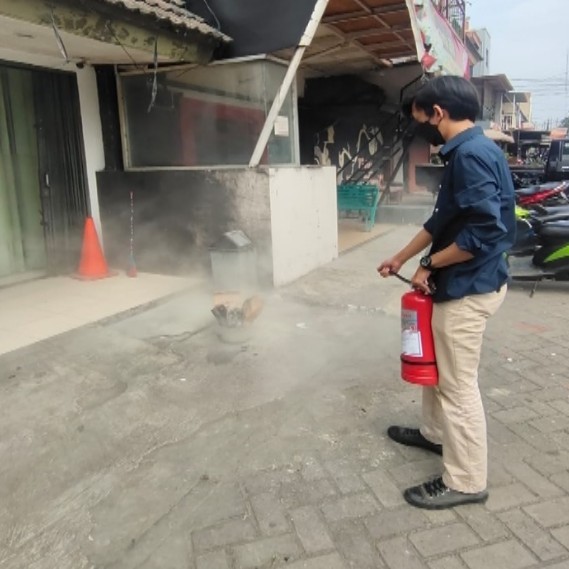
Evidance of adequate fire extinguisher in office
In any office environment, safety is paramount, and a crucial aspect of that safety is fire preparedness. While fire drills and evacuation plans are essential, the first line of defense against a small blaze is often a fire extinguisher. But simply having fire extinguishers isn’t enough; proving their adequacy through concrete evidence is vital for regulatory compliance, insurance purposes, and, most importantly, the safety of all occupants.
The evidence of adequate fire extinguishers in an office typically falls into several key categories:
- Proper Placement and Accessibility:
Visual Confirmation: The most immediate evidence is the visible presence of fire extinguishers mounted in easily accessible, conspicuous locations. They should not be obstructed by furniture, boxes, or office equipment.
Signage: Clear, standardized signage indicating the location of fire extinguishers is crucial. This ensures that in an emergency, anyone can quickly identify where to find one.
Travel Distance: Regulations often stipulate a maximum travel distance to an extinguisher for different fire classes. Evidence of adequacy includes a layout plan or visual inspection confirming these distances are met.
- Type and Classification:
Labels and Markings: Each extinguisher must have a clear label indicating its type (e.g., ABC, CO2, Water) and its fire class rating (e.g., Class A for ordinary combustibles, Class B for flammable liquids, Class C for electrical fires). This is fundamental evidence that the correct type of extinguisher is available for potential hazards in the office.
Hazard Assessment Documentation: Evidence of adequacy includes documentation of a thorough hazard assessment that determines the types of potential fires (e.g., electrical equipment, paper, kitchen fires) and thus the appropriate classes of extinguishers required.
- Inspection and Maintenance Records:
Monthly Visual Inspections: Most regulations require a monthly visual inspection of each extinguisher. This is evidenced by tags attached to the extinguisher itself, signed and dated by the person conducting the inspection. These tags confirm the extinguisher is in its proper place, accessible, fully charged (gauge in the green), and free from obvious damage or tampering.
Annual Professional Servicing: A more in-depth annual inspection and maintenance by a certified fire protection technician is mandatory. Evidence of this includes a service tag attached to the extinguisher, detailing the date of service, the company that performed it, and any actions taken. Additionally, detailed service reports or certificates from the technician serve as strong evidence.
Hydrostatic Testing Records: Every few years, extinguishers require hydrostatic testing to ensure the integrity of the cylinder. Records of these tests, including dates and results, are crucial evidence of long-term adequacy.
- Employee Training Records:
Training Certificates/Logs: While not directly evidence of the extinguisher itself, proof that employees have received training on how to use a fire extinguisher is vital evidence of a comprehensive fire safety plan. This ensures that the equipment can be effectively utilized in an emergency.
In essence, the evidence of adequate fire extinguishers in an office goes beyond simply having them on the wall. It encompasses a systematic approach to their selection, placement, ongoing maintenance, and the training of personnel. By maintaining meticulous records and adhering to established safety protocols, offices can confidently demonstrate their commitment to fire safety and provide a secure environment for everyone.

0 comments
Write a comment